Church Insurance in Jacksonville, St. Augustine and Northeast Florida
A Florida church needs property insurance on the building and contents, general liability for visitor injuries, separate sexual abuse and molestation coverage (standard liability excludes it), pastoral counseling liability, directors and officers coverage for the board, and workers compensation for employees. Atesa places church programs across Duval, St. Johns, Clay and Nassau counties.
Church insurance for Jacksonville, St. Augustine and the First Coast: property, flood, abuse liability, D&O and security teams. We shop 40+ carriers for you.
Figures reviewed against Florida Statutes and carrier bulletins on September 27, 2026.
Church insurance in Jacksonville (Duval County)
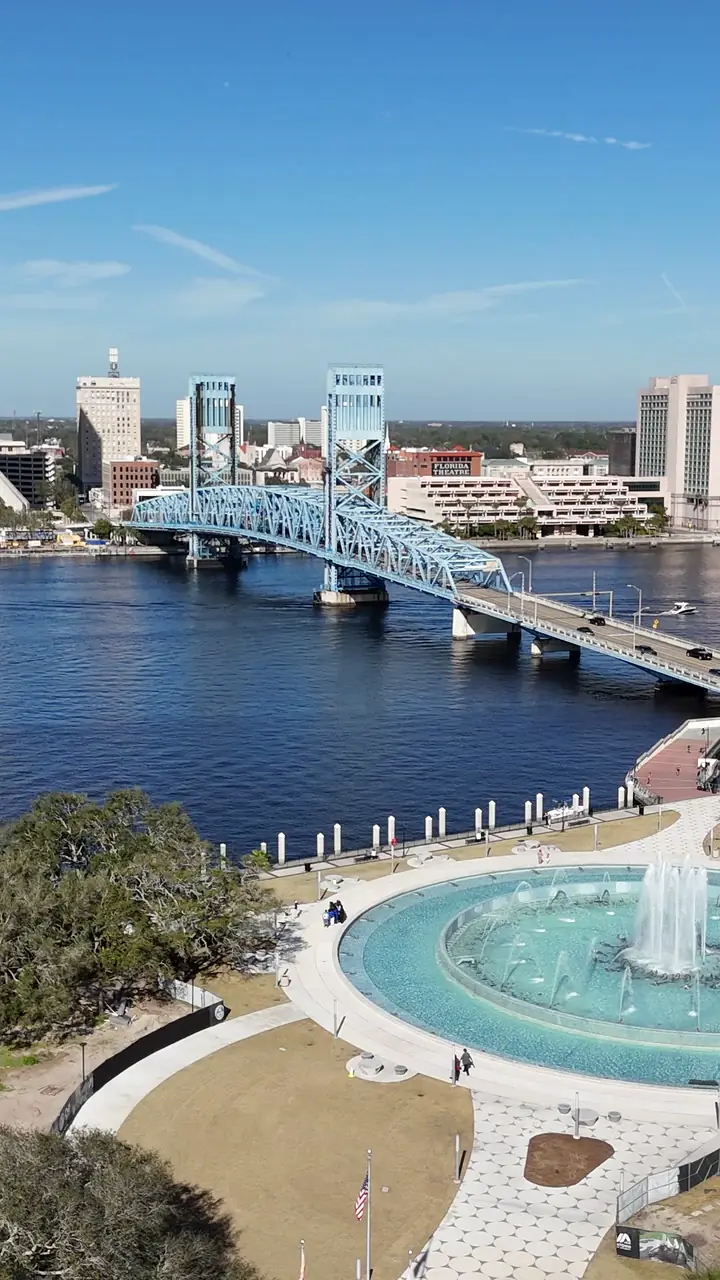
Duval County holds 987 congregations, and two of every three residents are counted as adherents. Most of those churches are a single building on a single package policy, read by a volunteer treasurer.
- Flood is a separate policy, and the river is the exposure: the St. Johns crested at a record 5.57 feet at Main Street during Irma on September 11, 2017, with about 350 water rescues, most of them in Riverside, San Marco and downtown. Federal flood coverage stops at $500,000 for the building and $500,000 for contents.
- Jacksonville holds FEMA Community Rating System Class 6, a 20% discount on federal flood premiums, and its fire department is ISO Class 1, the best protection class a property underwriter can price.
- Riverside and Springfield sanctuaries sit on 1850–1949 building stock. They rebuild at today's cost under the 2023 Florida Building Code, and a sanctuary seating 300 or more is a Risk Category III structure designed to a higher wind speed than a house, so replacement cost and ordinance-or-law coverage are the two numbers to re-run at every renewal.
- Florida's hurricane-deductible menu is written for homes, not churches. On a $2 million sanctuary a 5% deductible is $100,000 out of the building fund before the policy pays; 2% is $40,000. The percentage is a renewal decision, and a deductible buy-back policy exists to close the gap.
- Citizens holds almost none of this market, 4 commercial multiperil and 9 wind-only non-residential policies in Duval as of July 31, 2026, so a Jacksonville church is priced by the private carriers, and the private market is competing again in 2026.
Church insurance in St. Augustine (St. Johns County)
St. Johns County holds 163 congregations in a county that has grown 26.7% since 2020, so more of its churches are new construction on newer building codes, in a place where the river, the Intracoastal and the ocean all count.
- St. Augustine moved to CRS Class 4 in April 2026, a 30% discount on federal flood premiums; unincorporated St. Johns County is Class 5 at 25%, and St. Augustine Beach is Class 8 at 10%. Same church, same elevation, a different flood check depending on the city limits.
- Matthew ran about two and a half feet of water across Anastasia Island and over the Castillo de San Marcos seawall in October 2016; Nicole sent water down Avenida Menendez in the historic district in November 2022. Neither storm made landfall in Northeast Florida.
- St. Augustine's fire department is ISO Class 1. The county rates properties Class 3, 3X or 10 by distance to a station and a hydrant, and that class shows up directly in a church's property premium.
- Citizens holds 4 commercial multiperil and 2 wind-only non-residential policies in the county as of July 31, 2026, so here too the private market sets the price.
- The security-team question is live: since July 1, 2026, Chapter 2026-46 exempts a church's armed volunteer security team from private-security licensing, but the carrier's firearms or assault-and-battery wording is what decides coverage. Disclose the team before it stands up and get the answer in writing.
The Northeast Florida church map, county by county
| County | Congregations (2020) | Flood-program (CRS) class → federal flood discount | Fire protection |
|---|---|---|---|
| Duval | 987 | Jacksonville Class 6 → 20% | JFRD Class 1 |
| St. Johns | 163 | County Class 5 → 25%; St. Augustine Class 4 → 30%; St. Augustine Beach Class 8 → 10% | County 3 / 3X / 10 by distance; St. Augustine FD Class 1 |
| Clay | 173 | County Class 6 → 20% | Rated by distance to station and hydrant |
| Nassau | 101 | County Class 7 → 15%; Fernandina Beach Class 5 → 25% | Fernandina 3 / 3X |
| Flagler | 79 | County Class 6 → 20%; Palm Coast Class 4 → 30% | Palm Coast 2.0 |
| Putnam | 141 | County Class 8 → 10% | Not published |
| Baker | 36 | County Class 10 → no discount | Not published |
Citizens policy counts are from the Citizens Property Insurance Corporation policies-in-force detail by county, July 31, 2026.
Church insurance guides
- North Florida Church Insurance: The 2026 Guide for Congregations in Jacksonville, St. Augustine and the First Coast
- Florida Church & Nonprofit Insurance in 2026: Abuse Liability, D&O, and the New Failure-to-Report Law
Data sources
- Association of Religion Data Archives, 2020 U.S. Religion Census, county membership reports
- FEMA, NFIP Community Status Book (Community Rating System classes)
- National Weather Service Jacksonville, Hurricane Irma post-storm summary
- National Weather Service Jacksonville, Hurricane Matthew event summary
- City of Jacksonville, public safety dashboard (JFRD ISO Class 1)
- City of St. Augustine, ISO Class 1 rating
- St. Johns County Fire Rescue, insurance (ISO) classification
Frequently Asked Questions
What insurance coverage does a church need?
Churches need property insurance (building, contents, stained glass), general liability (visitor injuries), sexual misconduct coverage (abuse and molestation claims), pastoral counseling liability, directors and officers liability (board member protection), and workers compensation (employees). Many churches also need commercial auto (church vans), umbrella liability, and special event coverage. A church package policy bundles these coverages at a discount.
Does general liability cover sexual abuse and molestation claims?
No. Standard general liability policies exclude sexual misconduct, so churches buy separate sexual abuse and molestation coverage, typically written with limits from $500,000 to $2 million. Insurers require background checks, youth-protection policies and supervision rules before they offer it. Florida's 2026 failure-to-report law (Chapter 2026-95) changed when the criminal clock starts for staff who do not report.
Are church volunteers covered under our insurance?
Volunteers are covered under general liability for injuries they cause to others, but they're not covered for their own injuries unless you add volunteer accident coverage. Workers compensation doesn't cover volunteers in most states. Volunteer accident insurance provides medical expense coverage if volunteers are injured during church activities. This is especially important for construction projects, mission trips, and youth programs.
What is pastoral counseling liability insurance?
Pastoral counseling liability is professional liability insurance for clergy. It covers claims arising from spiritual guidance and counseling: allegations of bad advice, breach of confidentiality, emotional distress, or failing to report abuse. Coverage typically ranges from $500,000-$2 million. Churches with active counseling ministries should carry higher limits than the basic amount many church policies include.
Does our church insurance cover mission trips and off-site events?
It depends on your policy. Many church policies provide limited off-premises coverage, but international mission trips, adventure activities and large events may require special event insurance. Some policies only cover activities in the U.S., so mission trips may need foreign liability coverage, medical evacuation insurance and travel insurance. Notify your insurer before major events or trips.
How much does church insurance cost in Jacksonville or St. Augustine?
There is no published benchmark for church premiums in Florida. What moves the price is knowable: the building's replacement cost and age, the hurricane deductible percentage, distance to a fire station and hydrant, flood zone and the local CRS class, the size of the children's ministry and its screening file, employee count, and vehicles.
Does a Jacksonville church near the St. Johns River need flood insurance?
Yes, if it wants flood losses covered, because property policies exclude flood. The St. Johns crested at a record 5.57 feet downtown during Irma in September 2017. Federal flood coverage stops at $500,000 for the building and $500,000 for contents after a 30-day wait, and Jacksonville's CRS Class 6 earns a 20% discount on that premium.
What changed for Florida churches in 2026?
Two laws took effect July 1, 2026. Chapter 2026-95 (SB 590) changed when the criminal clock starts on a failure to report child abuse: it now runs from when a government agency, not the institution, learns of the violation. Chapter 2026-46 exempts a church's armed volunteer security team from private-security licensing. Neither changes what a policy covers.
Are church staff and volunteers mandatory reporters of child abuse in Florida?
Yes. Every staff member and volunteer is already a mandatory reporter under s. 39.201. The 2026 laws do not change what a policy covers: a carrier's abuse-and-molestation and firearms wording decides whether a claim is paid.
Related Guides
- North Florida church insurance: the 2026 county-by-county guide for Jacksonville and St. Augustine congregations
- Florida church & nonprofit insurance: the abuse-liability gap
- Lowering commercial property insurance in Duval County: the 2026 guide
- The hurricane-deductible buy-back for Jacksonville buildings
- Florida commercial insurance rates: the 2026 guide
- What an independent insurance agent actually does
Get a free quote or call (904) 900-5063 — Atesa Risk Advisors, independent Florida insurance brokerage.